
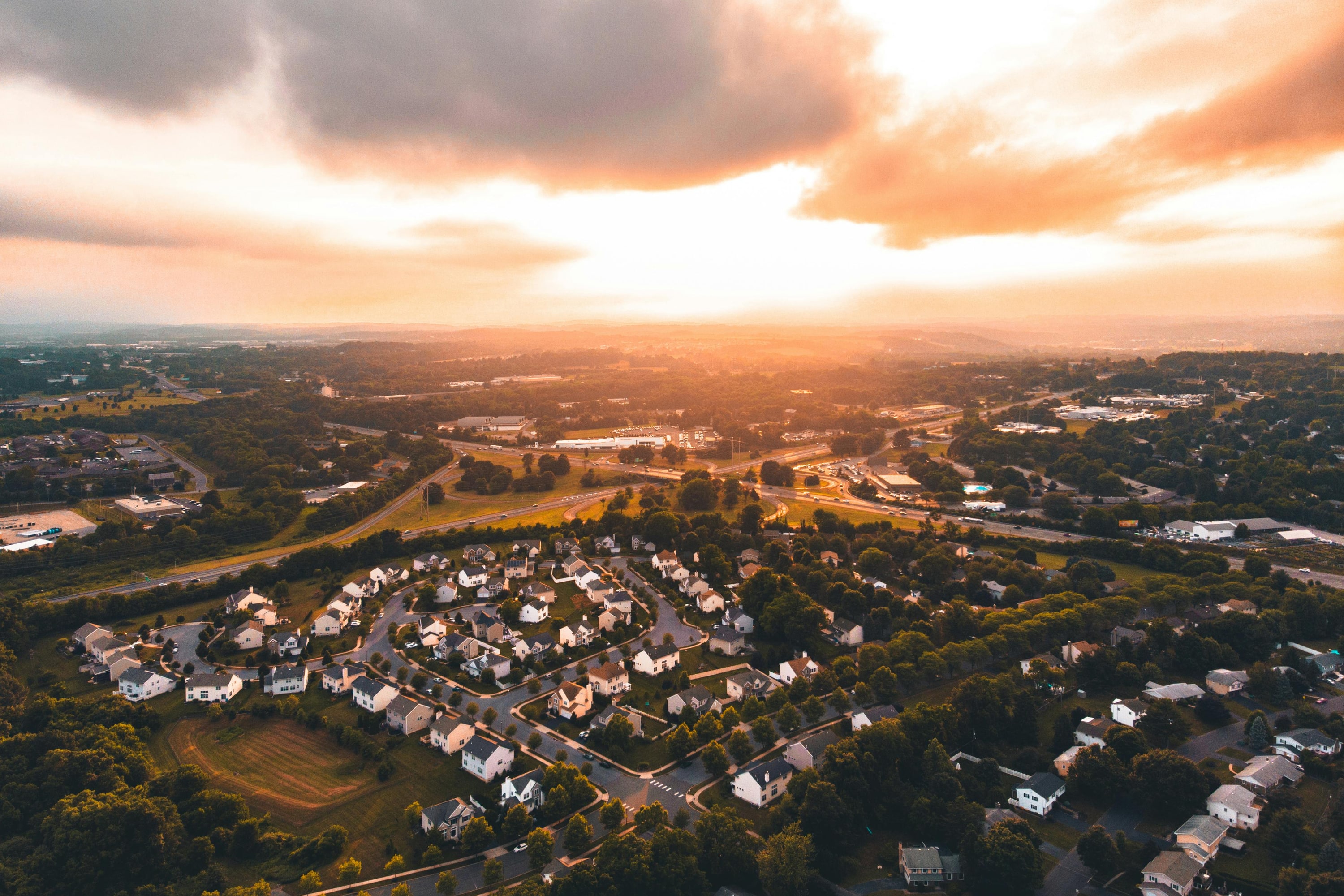

Rental property maintenance is rarely about one dramatic repair. More often, the expensive problems start as a missed gutter cleaning, a slow plumbing leak, a furnace filter that never gets changed, or a small exterior crack left through another Pennsylvania winter. For owners in Allentown, Bethlehem, Easton, and the surrounding Lehigh Valley, a simple maintenance calendar is one of the most practical ways to protect a rental home's value, reduce emergency calls, and give good residents a reason to renew.
The Lehigh Valley gives landlords all four seasons: summer humidity, leaf-heavy falls, freeze-thaw winters, and wet springs. Each puts different pressure on roofs, drainage, HVAC systems, plumbing, and the building envelope. This guide turns those conditions into a repeatable rental property maintenance checklist you can use for a single-family home, a duplex, or a small multifamily portfolio.
Why a Maintenance Calendar Matters for Lehigh Valley Landlords
Reactive maintenance is costly because it happens when the property has already been damaged, the resident is frustrated, and a contractor is needed immediately. Preventive maintenance gives you time to compare vendors, schedule work around resident availability, and document the condition of the home before a small issue becomes a claim or a vacancy.
For rental owners, the benefits are straightforward:
- Lower repair costs: cleaning a gutter or servicing a furnace is far less expensive than repairing water damage or replacing a failed system during a cold snap.
- Better resident retention: residents notice when a home is cared for and when maintenance requests are answered before they become emergencies.
- Stronger leasing appeal: a clean exterior, functional systems, and a well-documented maintenance history help a property show better when it is time to re-rent.
- More predictable budgeting: planned work lets owners reserve for repairs instead of absorbing repeated surprises.
A calendar does not replace a resident's ability to report a problem or a qualified contractor's judgment. It does create a reliable rhythm: inspect, service, document, and follow up.
Spring: Inspect Winter Damage and Control Water
Spring is the most important inspection season for many Lehigh Valley rentals. Snow, ice, wind, and repeated freezing and thawing can expose weaknesses that were not visible in December. Start outside, where water movement can cause the most expensive damage.
Exterior and drainage checklist
- Clean gutters and downspouts, then confirm water discharges away from the foundation.
- Inspect the roof, flashing, fascia, and chimney area for lifted shingles, loose materials, or signs of leaks.
- Walk the foundation and basement perimeter for settling cracks, wet spots, or grading that slopes toward the home.
- Check exterior caulk around windows, doors, utility penetrations, and siding transitions.
- Test exterior faucets after freezing weather and look for slow leaks at hose bibs.
Basements and lower-level units deserve special attention in older Allentown, Bethlehem, and Easton housing stock. A dehumidifier, functioning sump pump, and clear discharge line can make the difference between a routine rainstorm and a disruptive water event. If a property has a sump pump, test it before the heaviest spring rains and make sure the resident knows how to report an alarm or failure.
Interior spring maintenance
Replace HVAC filters, test smoke and carbon monoxide alarms, inspect under sinks and around toilets for slow leaks, and look behind appliances where accessible. Spring is also a good time to schedule air-conditioning service before the first hot week fills every contractor's calendar. Keep a dated record of work completed, invoices, photos, and any resident communication in the property file.
Summer: Protect Cooling, Landscaping, and Exterior Finishes
Lehigh Valley summers bring heat and humidity, which can make minor ventilation and drainage issues show up quickly. The goal is to keep systems working efficiently while maintaining the curb appeal that helps a rental command attention.
HVAC and moisture control
Ask your HVAC contractor to inspect the cooling system, clear the condensate drain, and verify the unit is operating safely. A clogged condensate line can lead to leaks, ceiling damage, or mold concerns. In homes with window units, clarify in the lease who installs, stores, and maintains them. For every property, remind residents to keep supply vents clear and report reduced airflow early.
Outdoor maintenance checklist
- Trim shrubs and branches away from siding, rooflines, and outdoor HVAC equipment.
- Check decks, porches, railings, stairs, and handrails for loose boards, soft spots, and peeling finishes.
- Inspect walkways and parking areas for trip hazards before they become larger repair projects.
- Address weeds, overgrowth, and standing water that can attract pests.
- Review the lease responsibilities for mowing, snow removal planning, and trash storage.
Summer is also a useful time to plan capital improvements. If a roof, driveway, appliance package, or exterior paint cycle is approaching, getting contractor bids before fall can leave you with more options and fewer rushed decisions.
Fall: Prepare the Property for Heating Season
Fall is the highest-value preventive maintenance window for rental owners. Winter emergencies are inconvenient for everyone, and many can be avoided with a few scheduled checks before temperatures drop.
Heating and safety checklist
- Schedule annual heating-system service according to the manufacturer's recommendations.
- Replace filters and verify that residents know where filters are located and how often they should be changed.
- Test smoke alarms and carbon monoxide alarms, documenting the date and the results.
- Inspect weatherstripping, door sweeps, and window locks to limit drafts and heat loss.
- Clean gutters again after leaf fall and confirm downspouts are not blocked.
- Shut off and drain exterior water lines where appropriate, especially at vacant homes.
Communicate early with residents about winter expectations. They should know how warm to keep the home when away, when to report a heating issue, and how to contact management after hours. Clear instructions are especially important for homes with older plumbing, crawl spaces, or exterior walls where pipes are more exposed.
Winter: Respond Quickly and Prevent Freeze Damage
Winter maintenance is about monitoring conditions and responding before a small issue spreads. Frozen pipes, ice dams, heating failures, and slick walks can all become costly quickly. Your best preparation is a current vendor list, a reliable emergency process, and contact information that residents can find without searching through old emails.
Cold-weather priorities
- Respond promptly to reports of no heat, water leaks, or electrical concerns.
- Make sure snow and ice responsibilities are clearly assigned and completed on schedule.
- Watch for ice buildup near roof edges, gutters, and downspouts after snow events.
- During vacancies, check the property regularly and keep utilities on at a safe temperature.
- Inspect mechanical rooms and exposed pipes when temperatures remain below freezing.
For vacant rentals, winter visits should be documented with photos. Confirm the thermostat setting, check for leaks, verify that doors and windows are secure, and look for signs of moisture or pests. An empty home can develop a serious issue without anyone noticing for days.
Build a Maintenance Record That Supports Your Investment
A maintenance calendar works best when it is paired with simple documentation. For each property, keep a list of major systems and their approximate installation dates: roof, furnace, air conditioner, water heater, appliances, sump pump, and any recurring problem areas. Add service dates, invoices, before-and-after photos, warranties, and notes about resident-reported concerns.
That record helps with budget planning, insurance questions, vendor handoffs, and future sales. It also makes renewals and inspections easier because you can see what has already been addressed rather than relying on memory.
When to Call a Professional Property Manager
Owners can handle a maintenance calendar themselves, but it becomes harder as the number of units grows or when a day job makes timely follow-up difficult. The challenge is not only finding a contractor. It is coordinating access, checking the completed work, communicating with residents, paying invoices, and keeping the documentation organized.
At Axel Property Management, we coordinate maintenance with an owner-minded approach for rental properties across the Lehigh Valley. We help owners prioritize repairs, communicate with residents, and protect the condition of the home without losing sight of the property's financial performance. If you would like a second opinion on your maintenance process or a rental property's current condition, schedule a one-on-one consultation with our team.
Lehigh Valley Rental Maintenance FAQs
How often should a landlord inspect a rental property?
Inspection timing should follow the lease, local requirements, and appropriate notice practices. Many owners use a documented move-in inspection, periodic preventive checks, and a move-out inspection. The purpose is to identify maintenance concerns early while respecting the resident's home and privacy.
What is the most important seasonal maintenance task for a Pennsylvania rental?
There is no single task for every home, but water management is consistently high priority. Keeping gutters clear, directing water away from the foundation, checking for leaks, and preparing plumbing before freezing temperatures protects many of a property's most expensive systems.
Should landlords include maintenance responsibilities in the lease?
Yes. A clear lease should explain who handles routine items such as lawn care, snow removal, filters, trash, and reporting maintenance issues. Specific responsibilities should be reviewed with a qualified local professional and written in plain language so there is less room for confusion later.
The Bottom Line
Good maintenance is not just an expense line. It is an operating strategy that protects the property, supports resident satisfaction, and helps preserve long-term rental income. Use this calendar as a starting point, adjust it for the age and systems of each home, and make preventive work part of the regular rhythm of owning rental property in the Lehigh Valley.